About AIMS (Age-Inclusive Management Strategies)
Most employers are aware of the changing age composition of the labor force.
Over the past decade, the growth rate of persons who are over 50 years old has been significant, with a booming number of older persons relocating or retiring.
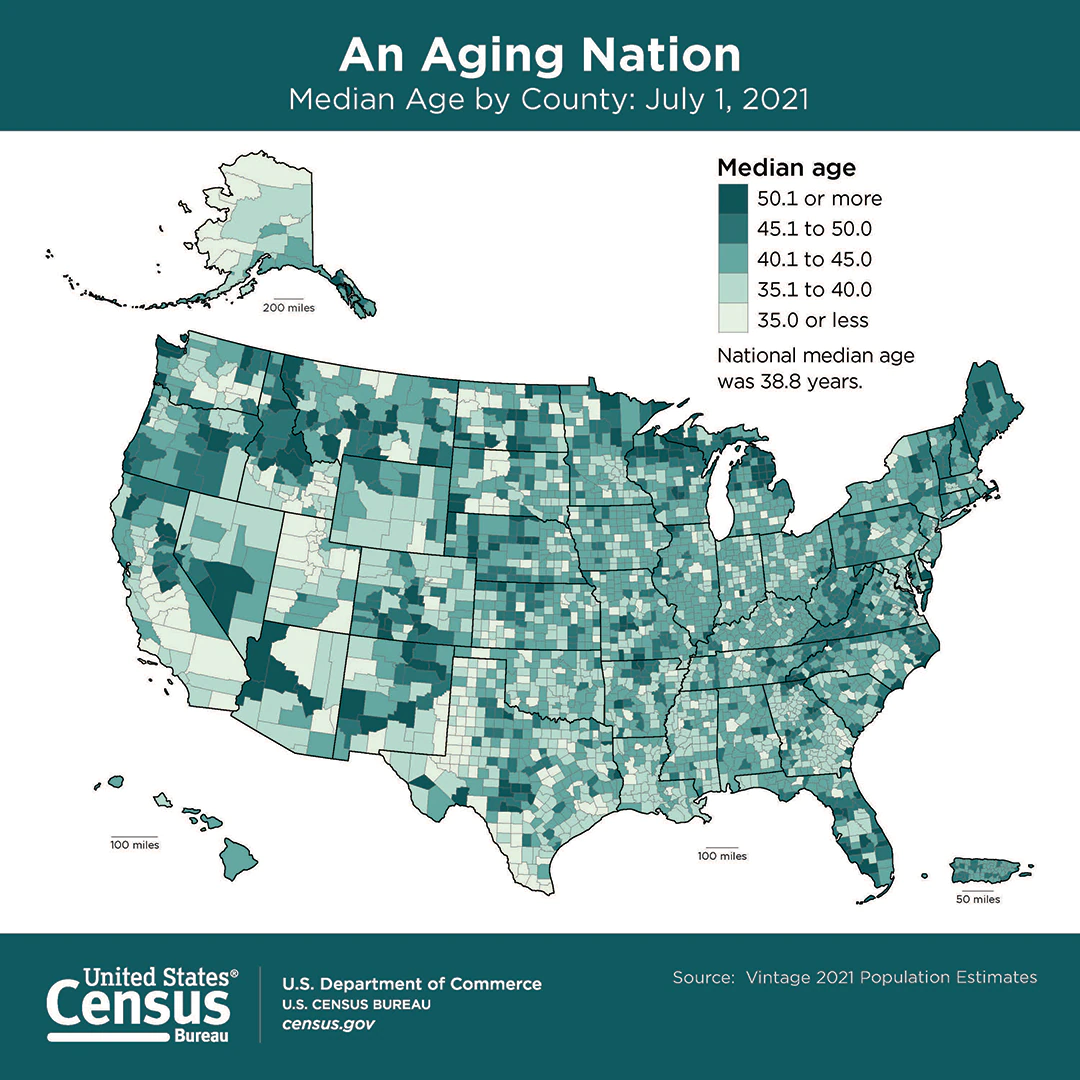
By 2030, nearly 1.5 million persons over the age of 50 will be working in the US.
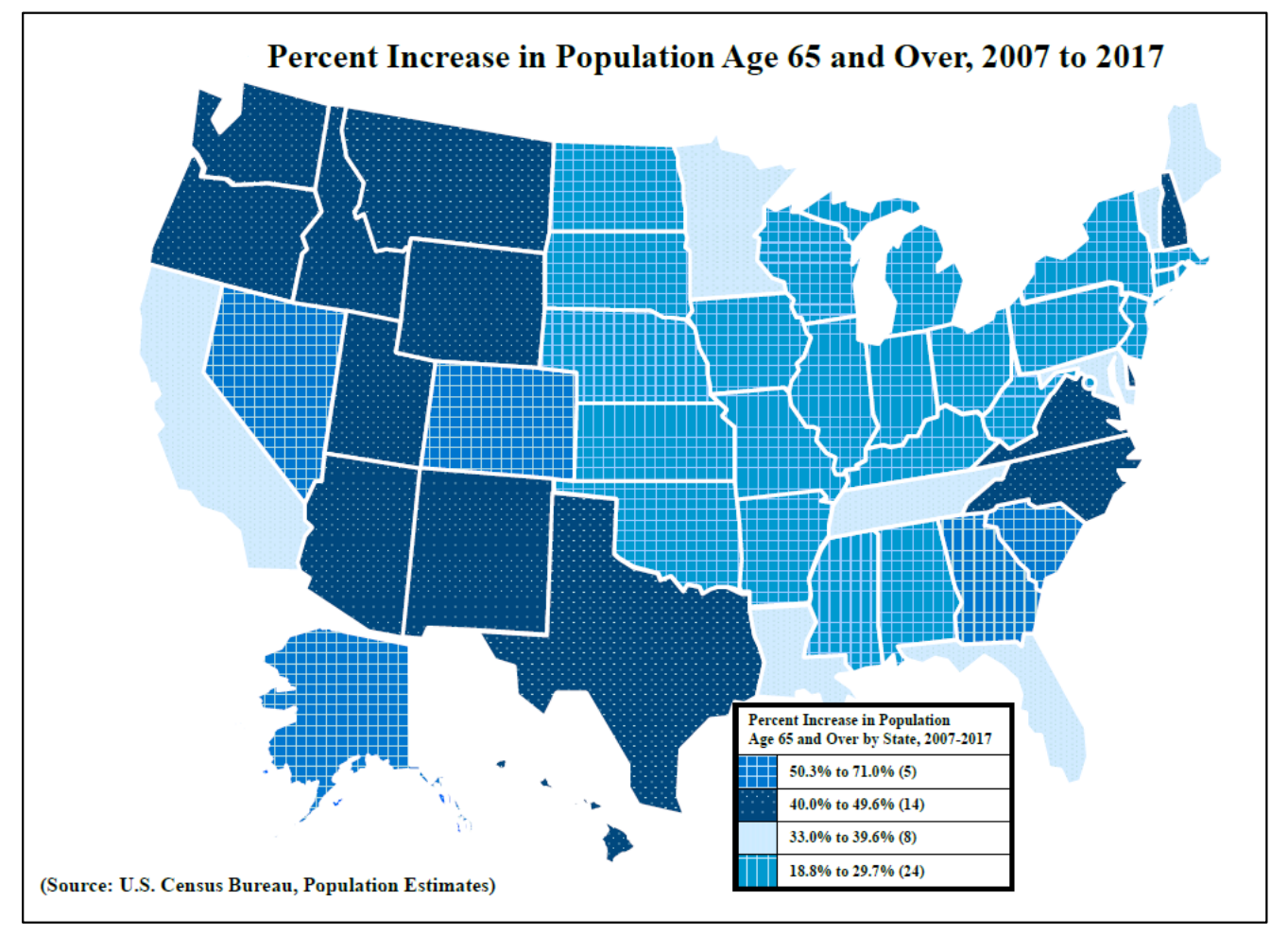
As our population grows older and more persons retire from the workforce, it will become more critical for employers, especially those in healthcare, education or hospitality, to implement policies and programs that effectively retain and retain employees over 50. Employers who do so will be well-positioned to achieve long-term success, maintain workforce continuity, and achieve net financial gains by maintaining an engaged, healthy and productive workforce.
Employers who do not anticipate an aging labor force may find themselves at a major disadvantage when it comes to attracting and retaining qualified workers and filling vacant positions. An employer's failure to anticipate the aging of the labor force may increase the risk of violating the Age Discrimination in Employment Act and Americans with Disabilities Act.
Our Goal
Website Navigation
The website is designed to let you progress through these different pages and identify the best strategy for your organization to adopt in response to the continued growth of the aging labor force.Why Hire Experienced Employees?Our website platform offers facts, figures, and narratives to dispel misinformation and stereotypes about experienced employees.Stories
Learn more about why people want to continue to work after the age of 50.Employer Successes
We offer examples of employers in healthcare, education, hospitality and other industries who have implemented a program for aging employees and created a net benefit for the organization.Insights Into Aging
We also consider what makes aging workers unique and consider how employers can identify the challenges and opportunities presented by this labor force shift.Self-Assessment
We offer easy-to-use organizational self-assessments to identify both short-term and long-term strategies to improve the human resources management of employees over 50.Management Strategies
We match the result of your self-assessment to up to 40 different organizational management strategies that address experienced employees. These include:
- Offering employee wellness programs
- Implementing disability and injury prevention efforts
- Continuing professional education and training
- Offering financial planning and retirement counseling
- Promoting flexible workplace options
- Developing elder caregiving assistance programs
- Facilitating access to retirement health insurance and savings programs
- Offering an array of work-to-retirement pathways
We provide ready-to-use forms to draft documents, such as an organizational statement concerning experienced employees, teach you how to incorporate age-inclusive language in job postings, and provide worksheets to assess the costs and benefits of addressing the unique aspects of an aging labor force.